


The Value Proposition: Scaling Production Without High Risk for Growing Confectionery Makers
The confectionery business has changed. Small and medium-sized factories (SMEs) are the main source of new ideas. But these small factories face big money risks when they buy equipment. They need to grow their output. But they cannot afford huge debt right away. They need to scale up without large starting costs. Before, they had to choose. They could buy a big, expensive line. Or they could buy a cheap, low-quality machine that would soon break down. This was bad for growth.
The market needs equipment that is good. It must be reliable. And it must allow factories to pay less now, then add more later. Chengdu LST Technology Co., Ltd. (LST Machine) saw this need. It built its business on modular equipment and integrated solutions. This lets small factories buy only what they need now. They can add more capacity later. This is a smart way to grow. It lowers the risk.
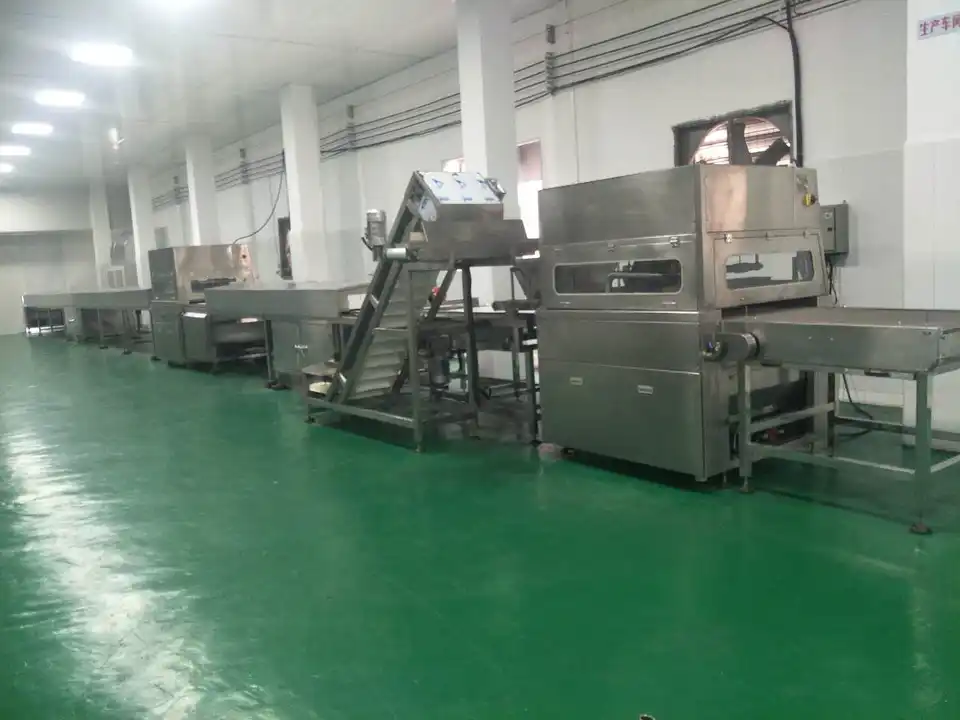
Part I: Why Factories Must Change How They Buy Machines
The confectionery machine market is now driven by three factors. These factors push factories toward flexible buying plans.
Trend 1: High Capital Risk for SMEs
Small factories are quick to test new products. They need to change their offerings fast. But they cannot pay for a multi-million-dollar production line all at once. If a new product fails, the large equipment cost can shut them down. So, they need to reduce this risk. They must invest in a series of steps. They need machines that start small. But the machines must also be ready to handle high volume when the product succeeds. This means machines must be built in parts, or modules. Factories can buy the core first. Then they can buy the next part when they have more sales.
Trend 2: The Demand for Equipment Modularity
Consumers want many new kinds of chocolate. They want seasonal shapes, new fillings, and different sizes. This means factories must change their lines often. They must add new functions. They cannot stop the whole factory to change one machine. So, equipment must be modular. For example, a factory might start with a simple solid bar line. Later, they want to add a special filling capability, like One-Shot technology. They should be able to buy the One-Shot depositor part. They should not have to replace the original depositor. This modular thinking saves time. It saves money. It makes the entire line more flexible.
Trend 3: Quality Cannot Be Sacrificed
Even small factories need good quality. They must meet international standards. These standards are important for hygiene and safety. For example, CE certification is needed. High-grade stainless steel construction is needed. Cheap machines do not meet these rules. But expensive machines are too much money. So, the market needs a solution that gives good mid-to-high end performance. This performance must be combined with a price that is good for a growing business. This lets SMEs to compete on quality with bigger brands. But they do not pay the huge price of a big brand machine.
Part II: LST Machine’s Modular Growth Strategy for SMEs
LST Machine, started in 2009, makes specialized chocolate equipment. Its main goal is to offer “complete, end-to-end solutions”. But LST makes sure these solutions work in pieces. This modular approach is key for SMEs to grow safely.
The LST Core Advantage: Building in Blocks
LST’s value is simple. They make high-quality machines that work together perfectly. They focus on integration. This means any machine bought today will connect well with a new LST machine bought next year. This is the modular growth plan.
LST uses good parts. For example, they use high-grade stainless steel. They use well-known control systems like Siemens PLCs. This choice makes the machine reliable. It lasts a long time. This is the quality of a premium machine. But LST’s streamlined process makes the price lower. This gives SMEs the confidence to invest. They know the first machine will last. And it will connect with future machines.
Product Application: Staged Investment in Action
LST’s main machines are built to be standalone. But they are also ready to be part of a bigger line.
- Phase 1: The Core System (Start Small): A small factory might start with a simple Chocolate Tempering Machine and a small Automatic Depositing Line. The temperer ensures high quality chocolate texture and shine. The depositor handles basic shapes like solid bars. This setup is low-cost. But it meets high quality standards.
- Phase 2: Adding Complexity (Adding Modules): When the factory gets more sales, they want a new product. They want a filled chocolate bar. They do not buy a new line. They only add a specialized One-Shot Depositor module. This new part connects directly to the existing tempering machine and cooling tunnel. It needs little change to the whole line. The factory pays less. But they gain a new product capability.
- Phase 3: Expanding Capacity (Adding Parallel Modules): If demand gets very high for one product, the factory can add a second depositing module. They can run both machines from the same tempering unit. This simple add-on doubles the output. This is cheaper and faster than building a whole new factory floor.
Key Client Success: The Startup That Scaled
LST’s modular approach works well for new businesses. For example, one client started with a small, essential LST temperer and a 16-mold/minute depositor. This was their testing phase. It gave them time to find the right flavors. When their main product became popular, they needed to boost output fast. They bought a larger cooling tunnel and added a second, higher-capacity depositor module. They kept the original tempering unit. This smart, step-by-step investment plan saved the client over 35% of the cost they would have spent on a full-size, custom line from a different maker. It also let them start making money sooner.
LST machines help SMEs grow smart. They let factories control when and how much money they spend. This lowers their risk. But it does not lower their product quality.
Post time: Dec-02-2025